By: Beth Hobson
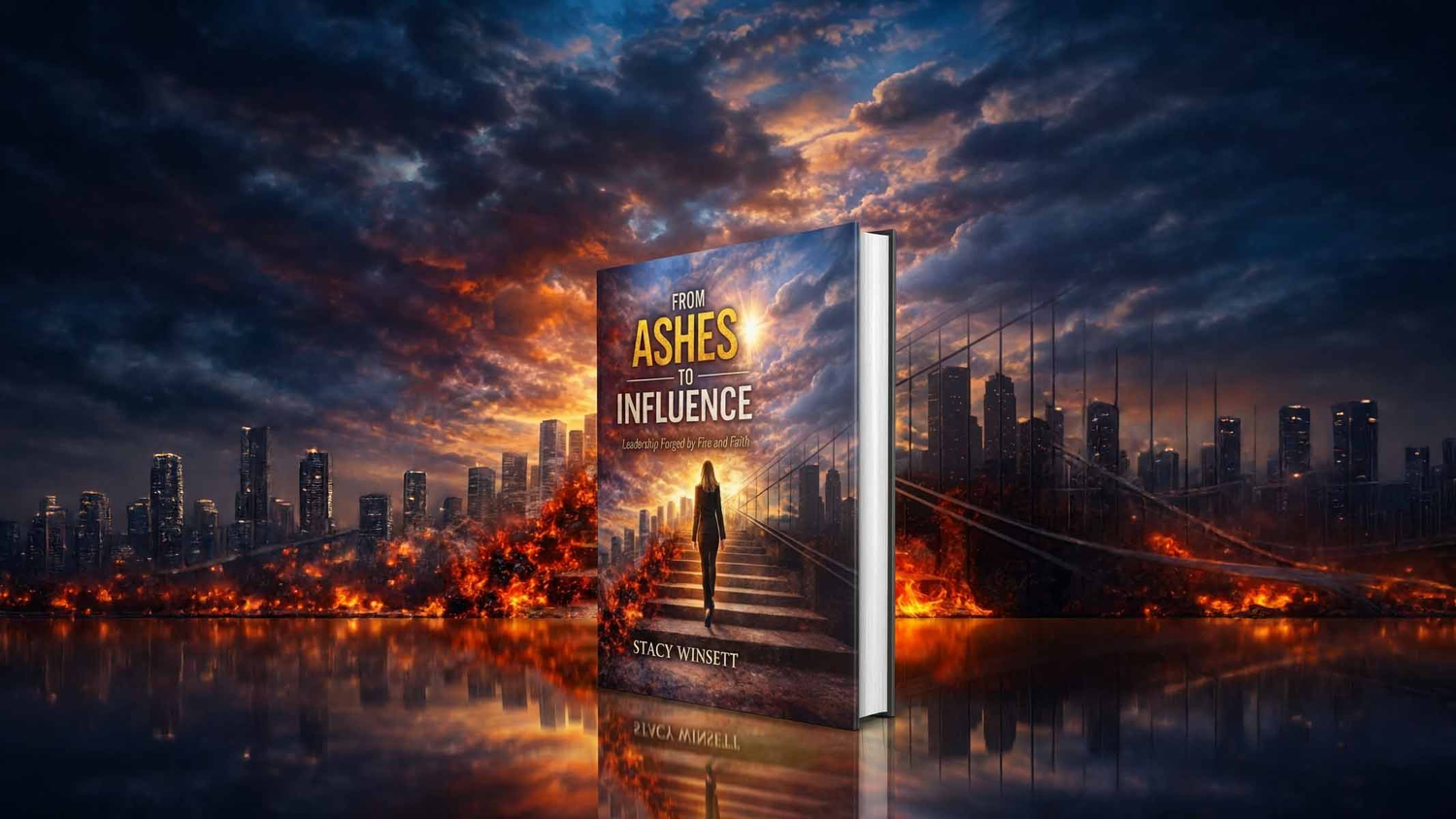
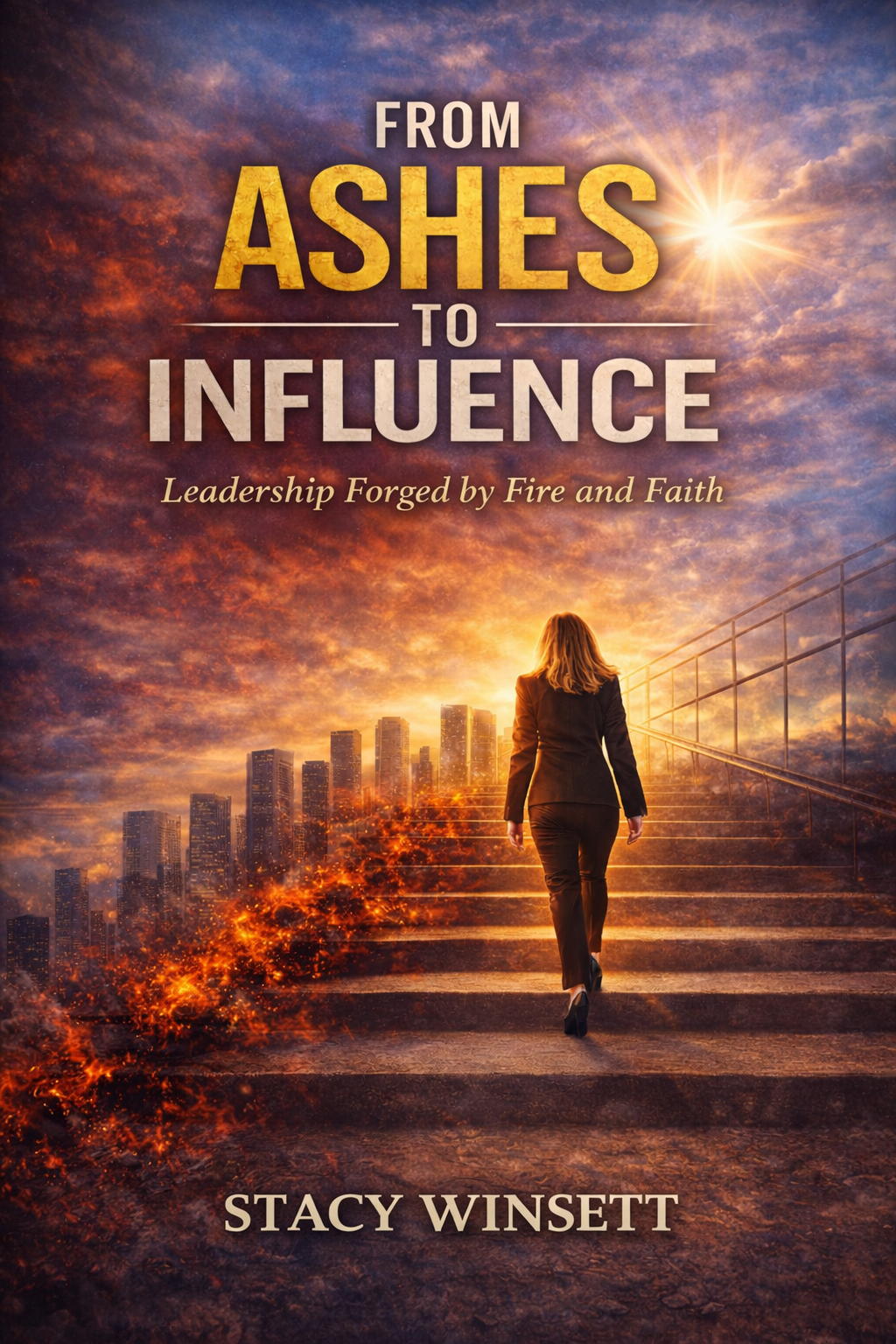
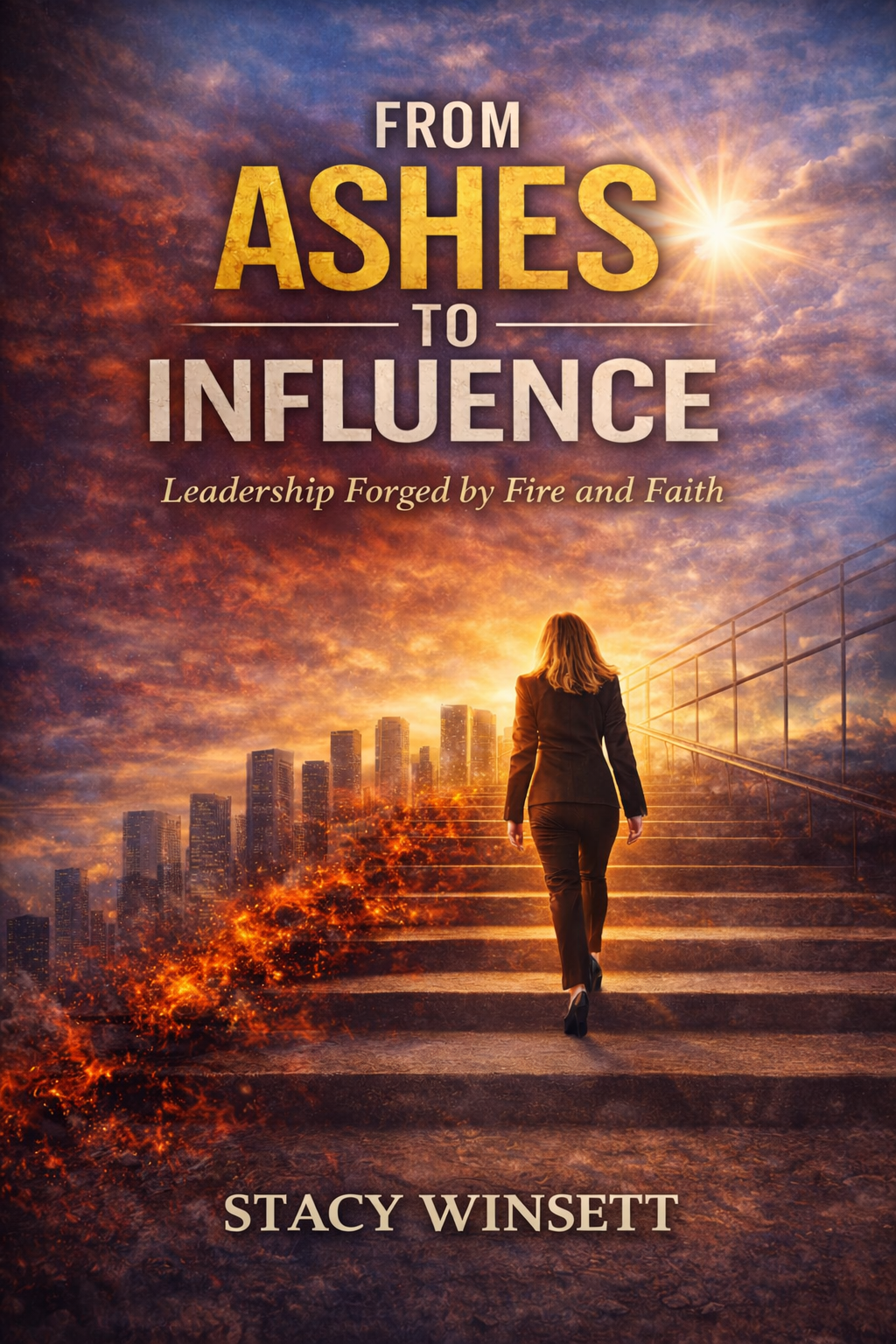
Trauma impacts everyone and everything differently. For some, there’s an innate response to ignore the traumatic experience and then attempt to replace that with something else. Stacy Winsett, an author from the Dallas-Fort Worth Metroplex, has chosen to publish her journeys in a memoir entitled From Ashes to Influence: Leadership Forged by Fire and Faith.
The book is a trauma-informed leadership memoir. It examines and discusses how one can take a personal situation in life that may normally make an individual think that they are going through something that is impossible to heal from, and instead asks a deeper question: once survival is no longer required, who are we responsible for becoming?
“When I started this journey to write my memoir, I knew that I had to explore how early adversity wires vigilance, endurance, silence, and how those same survival skills can quietly cost leaders their voice, health, and integrity if left unexamined.”
Stacy’s professional life consists of a career in aviation, manufacturing, labor relations, human resources, and executive leadership. Her book dives deep and forces the reader to reflect on how healing can transform power into stewardship. As an author it was important for Stacy to draw on her own lived in experiences in high-stakes corporate, labor, and ethical leadership environments to write the book.
“I repeatedly found myself operating in environments where the consequences of decisions were significant. I negotiated labor contracts, led organizations through crises, investigated ethical violations, protected employees facing injustice, and navigated situations involving violence, corruption, and profound organizational risk. Yet, the skills that allowed me to remain calm under pressure, read complex dynamics, and make difficult decisions often originated much earlier in life. They were survival skills developed in childhood adversity and later refined through experience.
As I reflected on my journey, I realized that many leaders are operating from patterns they do not fully understand. What organizations often reward as resilience, composure, dependability, or strength can sometimes be rooted in unresolved trauma, hyper vigilance, over-functioning, or an inability to set boundaries. For years, I was praised for carrying more than my share of responsibility, both personally and professionally, without recognizing the cost it was extracting from my health, relationships, and sense of self.
Writing this book required me to examine those patterns honestly. I wanted readers to understand that survival can build remarkable capacity, but healing transforms how that capacity is used. Leadership matures when power becomes stewardship—when authority is used to protect dignity, create safety, tell the truth, and serve others rather than simply endure or control. That lesson became evident throughout my career, whether I was advocating for a disabled employee whose humanity had been overlooked, standing up to unethical leadership, or helping others navigate moments of profound crisis.
I chose to write from personal experience because trauma-informed leadership cannot be understood solely as a theory. It must be lived, examined, and integrated. My hope is that by sharing both the successes and the scars, readers will recognize their own patterns, understand the connection between adversity and leadership, and discover that true influence is not built through power over others—it is built through self-awareness, integrity, healing, and stewardship.
Ultimately, this memoir is not just the story of what I survived. It is the story of how healing changed the way I lead. Survival taught me how to endure. Healing taught me how to steward power responsibly, create psychologically safe environments, and ensure that the pain I experienced would not be passed on to others. That is the leadership legacy I wanted to leave behind.”
One of the central messages of From Ashes to Influence is that survival and leadership are not the same thing.
“Many of us learn skills through adversity –hyper vigilance, endurance, overachievement, and taking responsibility for everyone else. Those skills alone can help an individual survive and even succeed. But true leadership begins when we heal enough to stop leading from fear and start leading from stewardship. My hope is that readers walk away understanding that their hardest experiences in life do not disqualify them from leadership. In many cases, it simply prepares them for it. The goal isn’t to erase your past. It is to ensure that the pain stops with you.”
Stacy admits that while writing her book, it’s taught her a lot. “Being an artist and an author is really about creating connection with people. Writing gave me an opportunity to do something different—it allowed me to translate experience into meaning. My favorite part is when someone reads a story and says, "I thought I was the only one." Whether the topic is leadership, trauma, grief, resilience, or healing, knowing that my words help someone feel seen is incredibly rewarding.”
As a leader who forged herself through her own fires, Stacy provides hope not just in her book, but through book signings, delivering keynote speeches, podcasts, workshops, and a soon to be released readers guide to go along with the book. “Tell the truth. Not necessarily every detail, but the emotional truth. Be true to yourself. People connect with authenticity far more than perfection. The stories that resonate most are usually the ones we're most afraid to tell. I would also encourage artists not to wait until they feel fully qualified. If I had waited until I felt completely healed or completely confident, this book would never have been written. Create anyway. Learn anyway. Share anyway. Your voice matters long before you think it does. And don’t let anyone take your voice!”